Good News on the Insect Apocalypse Front
There's some good news on the insect apocalypse front. I know, you probably didn't expect to read that sentence today.
If you've been following along, you know that over the past couple of decades the world has lost around ten percent of its insect population each decade. Multiple studies, multiple locations, all pointing the same direction. It matters because insects pollinate plants, and the entire food web starts with plants. Losing insects means losing everything that depends on them, which is, ultimately, everything.
But here's the reason for hope, and it has everything to do with a butterfly.
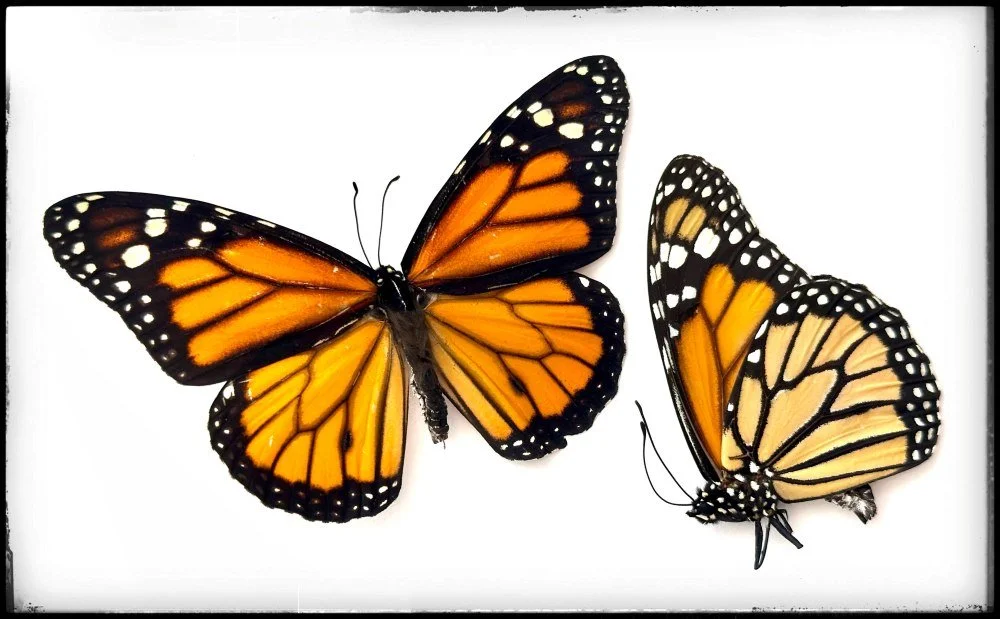
Monarch butterflies in my collection.
The Monarch Story
Monarch butterflies have become something of a symbol for insect decline in North America, with populations dropping around 85% over recent decades. In response, people started planting milkweed, the only plant monarch caterpillars can eat. Not a government program. Not a large organization with a big budget. Just individual people deciding to put a milkweed plant in the ground, telling their friends, sharing it on social media, mentioning it at a nature preserve.
And it's working.
This past spring, one study documented a 64% population increase over the previous year. That doesn't bring monarchs back to where they were thirty years ago, not even close. But it is an extraordinary sign of what's possible when enough people do one small thing.
What It Means for the Rest of Us
If individual actions can bring monarchs back from an 85% decline, then individual actions can help every pollinator, every insect, every bird that depends on them, every plant they pollinate. The ripple goes a long way.
I've been doing my small part. I have a couple of baby milkweed plants I've been nursing along for a year now, and I look forward to watching them grow stronger each season. I also have native plants throughout my garden that provide habitat for local insects and the creatures that depend on them. This fall I'm adding a few more - fall is the ideal time to get natives into the ground here - and making room by taking out some succulents. As much as I love them, succulents don't do much for the local ecosystem. Native plants do.
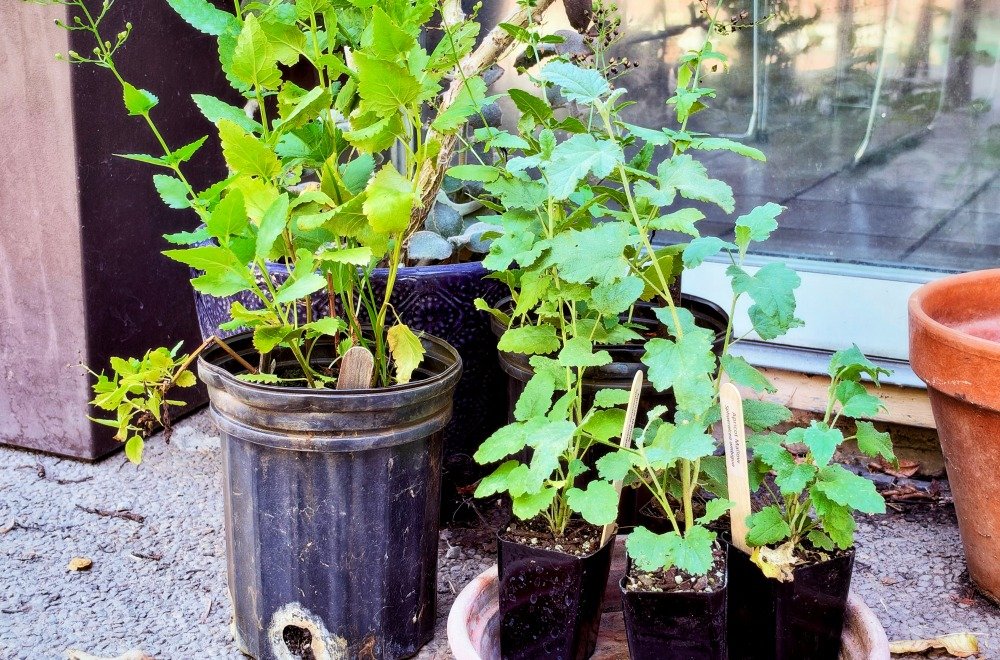
Native plants I’ll be planting soon.
Where to Start
Even one native plant makes a difference. I started with a single native oak tree and have been slowly adding more each year as I've learned how much it matters. It's begun to create a little piece of the woodland I love so much, right in my own front yard.
If you're curious about where to begin, I've found the Homegrown National Park organization to be a wonderful resource; practical, encouraging, and full of information about what to plant and why.
Consider putting something native in the ground this fall. Even a potted plant on an apartment balcony counts. Then let me know how it goes, I'd genuinely love to hear.